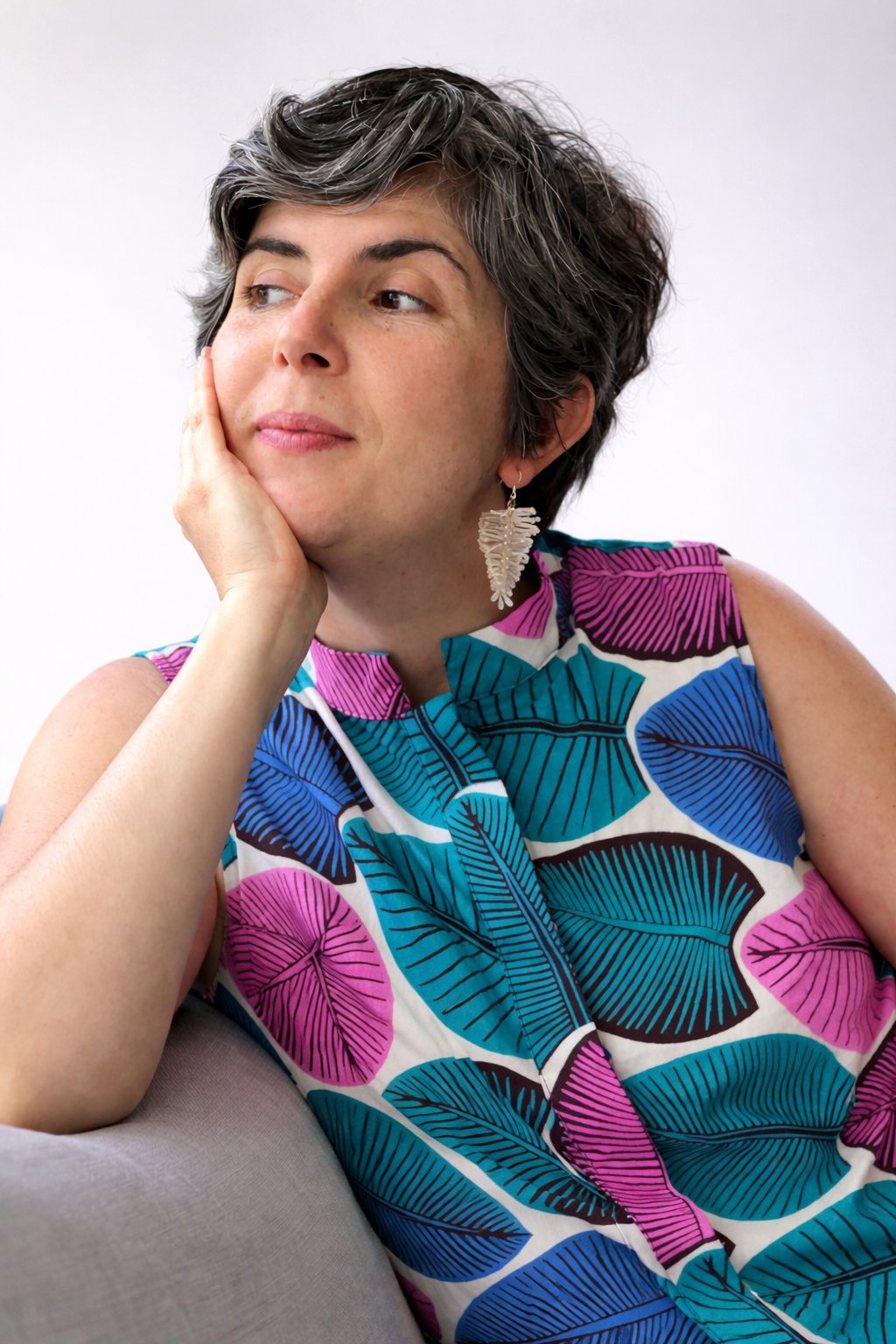
I come from a long line
of educators.
My great-grandfather was one of the founders of the first teaching university in Albania. He spent his life systematically raising literacy rates from around 20% to over 90% in four decades. My grandparents were educators. My mother was a professor. I grew up in a country where teaching was a dignified profession, and education of the next generation was treated as something sacred.
I immigrated to the United States when I was 14. Although I now live in the Bay Area, CA, which is objectively one of the most economically well-off places on the planet, I often feel like I’m living in an alternate reality. I watch as that same dignity of institutionalized education is being systematically dismantled and literacy rates dropping at alarming rates.
When my daughter was born, I felt the full weight of these shifts and felt compelled to get engaged. At first in small ways like finding books with genuine emotional depth, starting a microschool during Covid, getting involved in her district’s curriculum process. Then in larger and larger ways.
I see AI as capable of reversing the decline in public education. I have invested the last few years trying to understand use cases firsthand and build solutions as well as coalitions of different interest groups. We have to be honest about what this kind of work requires: not just better tools, but a fundamental rethinking of what schools are for. Our institutions are still organized around knowledge transfer, which AI has made obsolete. What children need now is what has always mattered most and has always been hardest to build: belonging, reasoning, identity, agency. Those things cannot be automated. They can only be cultivated in institutions that are designed around the full humanity of children, not just their test scores.
MBA, Kellogg School of Management · BA, University of Virginia · Berkeley, CA.
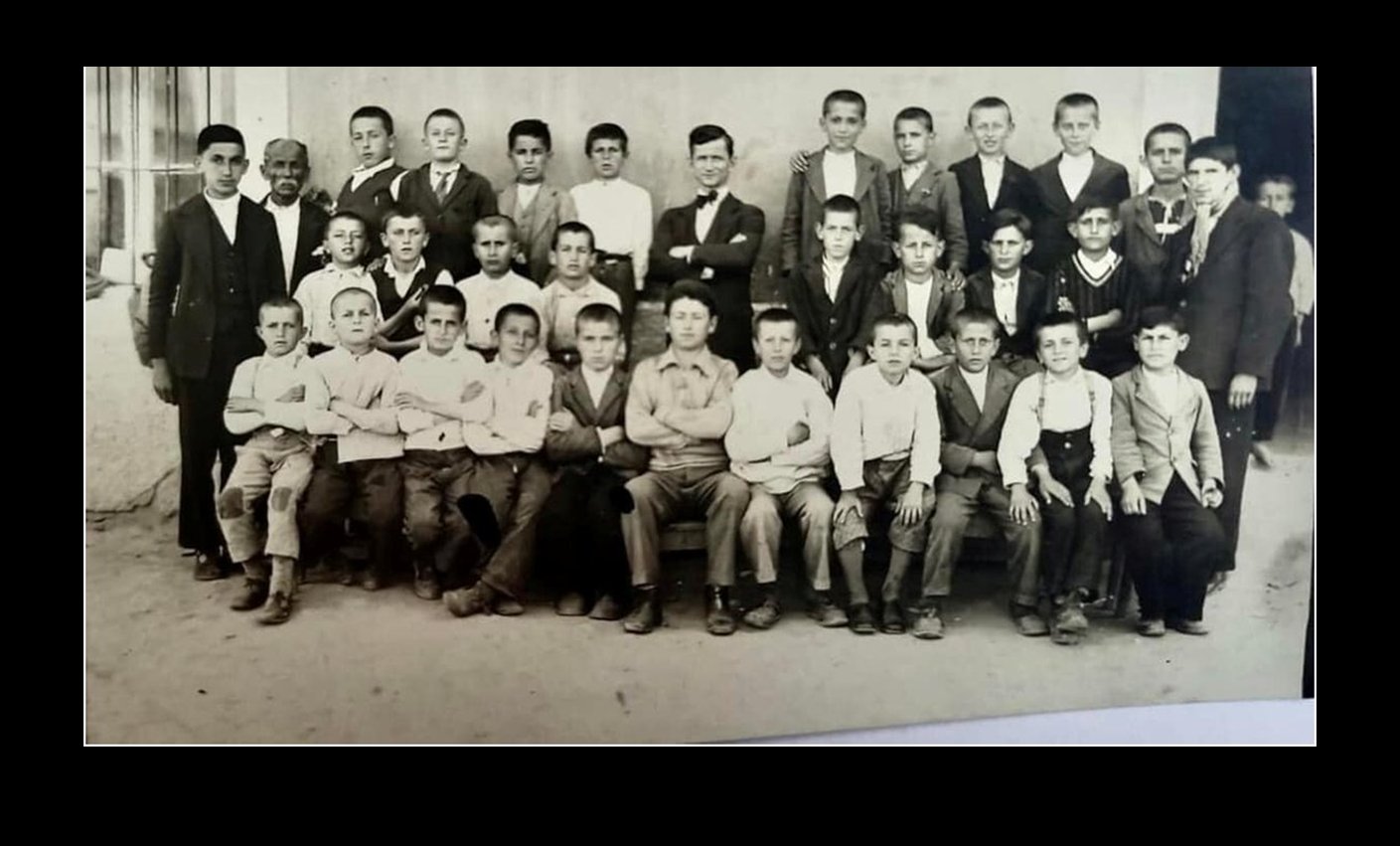
My great-grandfather — one of the founders of the first teaching university in Albania.
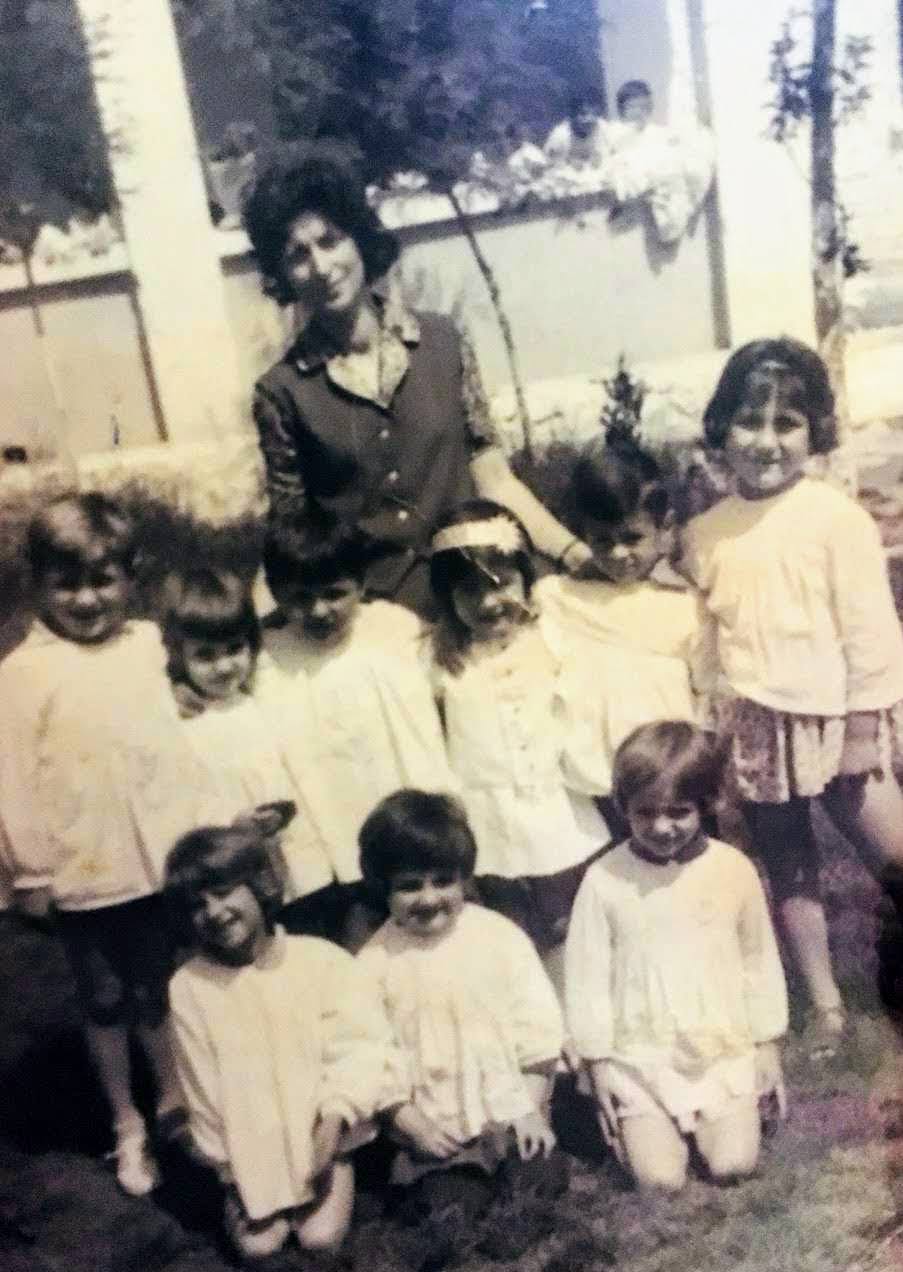
My grandmother — lifelong educator and founder of a children’s theater company.
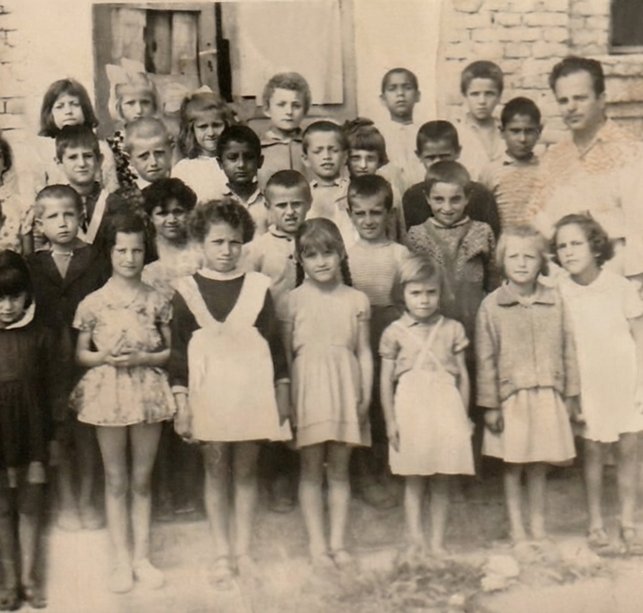
My grandfather teaching first grade — my mother is one of his students.